
Colorado Rockies suites
Colorado Rockies Suites: Team Ticket Information or a Coors Field Quote
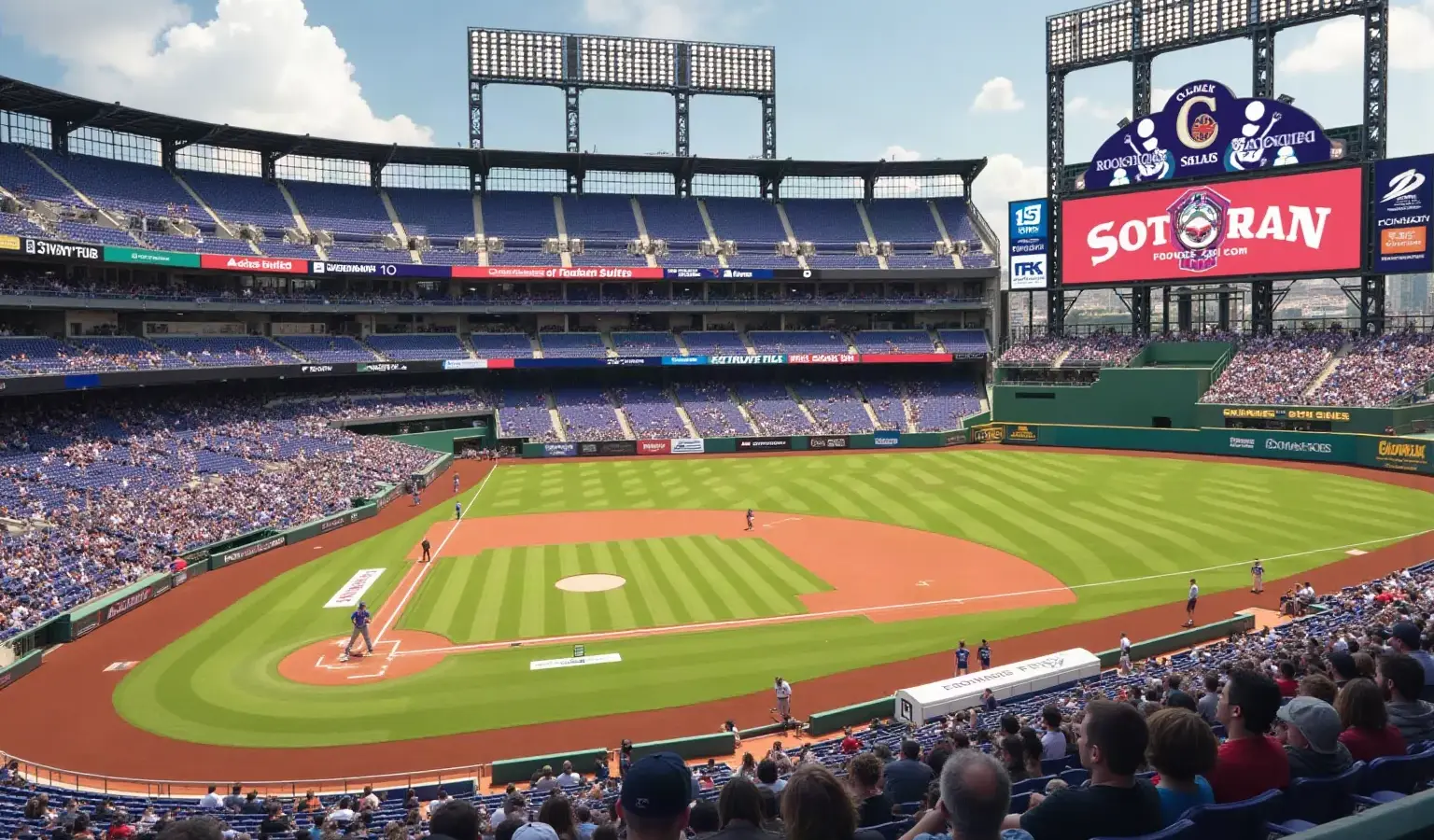
Decide whether a private suite suits your group outing
A private suite may suit a Colorado Rockies outing if you want your group to gather in one private space while attending the game. That is a format decision, not a conclusion about a particular suite, its terms, or whether it is available for your game.
Start by asking what you want the outing to provide. Is sharing a private space part of the plan, or is your main goal simply to attend the game together? Would having one space for the group make the outing fit your purpose? If the private-room format matters, it may be worth pursuing event-specific information. If it does not, you can set that option aside without trying to infer what a suite includes.
You can make this first decision without assuming anything about views, amenities, access, or catering at Coors Field. Those details would need to be established for a particular option. For now, describe the outing in plain terms: who is going, which game you are considering, and why you are exploring a private space.
For example, you might be organizing a group of friends or a company outing. The point is to decide whether a whole private space matches your plan before spending time on suite-specific questions. If it does, move on to the event details that can anchor an inquiry.
A Coors Field suite is booked as a whole space, not by the seat
A Coors Field suite is a whole-space option in our description, rather than a set of individual seats. We describe private suites at Coors Field for Colorado Rockies games, concerts, and other events for 12–30 guests, and we offer the whole suite, not individual seats. That general guest range does not confirm the capacity or availability of a particular suite for your game.
This changes how to frame your group’s fit. Think about the number of people you expect to attend as a group, rather than treating the inquiry as a search for a certain number of separate seats. If your count is still taking shape, use an estimate and say that it is an estimate. The specific option and game still need to be addressed before you can know whether that arrangement fits.
A whole-suite format may make sense when having a shared private space is central to the outing. If your plan depends on buying individual seats, this description does not establish that another seating format is available. If a private space is the format you want, ask about the particular game and configuration instead of assuming the general guest range applies to every option. A third-party description of Coors Field Infield Suites places them on the suite level between the 200 and 300 levels and identifies a Suiteholder entrance on Blake Street. Treat those details as specific to that description, not a venue-wide rule or confirmation that the option discussed for your game uses the same location or entrance. If location or entry matters to your group, ask the respondent to identify the option and confirm its arrangements for that event.
Separate the team’s 2027 information route from a suite quote
The Colorado Rockies’ official ticket-information route is for people interested in the team’s stated 2027 ticket options, including suites and party facilities. The official page invites you to submit a Ticket Information Form for those stated 2027 options. Use that route if you want information through the team’s stated process for those 2027 options. For readers seeking the team’s stated 2027 ticket information, the official page also lists (303) ROCKIES (762-5437). That contact detail belongs to the team’s information route; it is not the event-specific quote process described below. State the year and purpose of your question so the response can be assessed against the request you actually made.
Keep the scope of that form in mind. It is an information request, not confirmation of a particular suite for a particular game. If your question is about a different event year or a specific game, do not treat the form as an answer to that separate question. The useful distinction is the question’s scope: the team’s page concerns its stated 2027 ticket options, while a quote request asks about a particular Coors Field event. The page does not resolve the event-specific questions that matter to a game plan, such as whether a particular suite is available or what its price and terms would be. Someone seeking those details needs an answer about the event itself, rather than treating the general 2027 information route as that answer. Conversely, a quote inquiry is not a substitute for information about the team’s stated ticket options. Keeping the year and purpose of the request explicit makes clear what the response would need to address.
Our Coors Field quote process asks you to provide the event, date, and party size. Use that route when you want us to address a suite quote for a particular Coors Field event. The details identify what you are asking about; submitting them does not establish availability or a price.
Choose between the routes based on the information you want, not on an assumption that they do the same job. If you want information about the Rockies’ stated 2027 ticket options, use the team’s form. If you want an event-specific Coors Field suite quote through us, prepare the event, date, and party size for that inquiry. For either route, wait for a response that addresses your actual question before making plans as though a suite is secured.
A Coors Field quote starts with an event brief
A Coors Field game brief should identify the event, date, venue, and party size. For a Coors Field suite quote, we ask you to provide the event, date, and party size. Put those details together so your inquiry concerns one identifiable game rather than a general search.
Prepare these four items:
- Event: The Colorado Rockies game you are considering.
- Date: The game date, if you have settled on one.
- Venue: Coors Field.
- Party size: The number of guests you expect, labeled as an estimate if it may change.
If your date is flexible, say so. If your group count is provisional, make that clear as well. A precise brief does not guarantee that an option will fit; it makes clear which event and group your question is about. You can also note what remains undecided, so a response can address the known details without implying that your plans are fixed.
Capacity information needs particular care. We describe Coors Field suites generally as accommodating 12–30 guests, while SuiteHop lists its Coors Field Mezzanine Party Suites for 22–60 guests.
Keep the brief available as you ask follow-up questions. If the game date changes, make clear which date your latest question concerns. If the expected group size changes, update it rather than relying on an earlier estimate. That keeps the discussion tied to the outing you are actually considering. For an organizer weighing more than one game, rank candidate dates before making a request: identify the preferred game and mark any others as backups rather than equivalent choices. This gives the group a clear basis for deciding how to respond if the information received addresses only one date. Do not carry an answer about a backup game over to the preferred game; each candidate still needs its own event-specific response.

Confirm price and terms for the specific game and suite
Coors Field suite pricing depends on the game, the suite, and the day of the week, and we quote each date individually. Treat a general listing or an earlier price as a reference to ask about—not as a firm amount for your game. You need an event-specific response before you can assess the cost of the option under discussion.
When you receive information, check whether it answers the practical questions that shape your decision:
- Does it address the game date and venue in your inquiry?
- Which specific suite or configuration is being discussed?
- What capacity applies to that option, and does it fit your group?
- What price applies to that game and suite, and what does the quoted amount cover?
- Which access arrangements, services, or other terms apply to that specific option?
- Which details remain unresolved?
These are questions to ask, not assumptions about what a Coors Field suite includes. The general guest range does not settle capacity for a specific option, and it does not establish access, inclusions, or other terms. Keep each answer tied to the date and suite it concerns, especially if you are discussing more than one possibility.
If an answer leaves a detail open, ask for clarification before relying on it to assess fit or budget. Do not compare two prices as though they describe equivalent options until you know which game and suite each price covers and what each quoted amount includes. This is particularly useful when you are coordinating a group: a number without its event and terms attached may not answer the question you need to resolve.
The aim is not to calculate a final cost from a general description. It is to decide whether the event-specific option and terms work for your group. Keep the unresolved items visible until the response addresses them. Because this is a whole-suite purchase, set a group-level budget ceiling before deciding whether a quote fits; the evidence here does not establish what any group should spend. Once an event-specific amount and what it covers are clear, you can make an internal per-attendee estimate by dividing that total by the number of people expected to attend. Label it as a planning calculation, not a seat price, and recalculate if attendance changes. If included items or other charges remain unclear, keep that uncertainty visible rather than assuming the amount is all-in. When comparing options, record the event date, suite or configuration, quoted amount, and confirmed coverage together. Compare figures only when you know what each refers to. This gives an organizer a way to discuss affordability without presenting an estimate as a final cost.
Treat lead-time guidance as planning advice, not confirmation
Our Coors Field page advises planning on about four weeks of lead time for renting a suite. Treat that as planning guidance, not a promise that a suite will be available within that period or a deadline by which your game can be secured.
Use the approximate timing as one part of your planning, not as an answer about inventory. If your game is still ahead, you can prepare the event brief and ask about the date you have in mind. If the date is closer, you still need an event-specific response. The guidance does not establish that a suite is available, and a longer lead time does not establish that one will be available either.
Keep timing separate from price, capacity, and terms. A date well in advance still needs a current answer about the option you are considering. The practical step is to identify the game date and ask about that event, while treating the approximate four-week period as advice for planning rather than confirmation. An organizer can also set an internal decision checkpoint: by what date does the group need enough information to keep this game under consideration or move to another plan? If no response has arrived by that point, follow up with the exact event and date and ask which details remain unresolved; do not interpret silence as confirmation either way. The approximate four-week advice does not specify a response deadline, so treat this checkpoint as your own planning tool, not a service promise. When an answer arrives, check that it still concerns the date you are considering.

Keep an inquiry separate from a quote and a confirmed booking
An inquiry, a quote, and a confirmed booking are separate stages. Neither description makes the initial request a confirmed booking.
Use the distinction to describe the status accurately as your plans develop:
- Inquiry: You have asked a question or submitted event details. You are gathering information; this alone does not confirm suite availability.
- Quote: You have received a response with a price for the specific event and suite under discussion. A request for a quote is not itself a firm price or a confirmed booking.
- Confirmed booking: Treat the suite as booked only when you have explicit confirmation that it is booked, along with the event-specific terms that apply.
That is not the same as confirmation of a specific suite. With a quote inquiry, distinguish the details you submitted from the answer you need. Until the response addresses the game, price, and relevant terms, keep those questions open.
This distinction also helps when you are coordinating guests. You can describe the plan as an inquiry while you are gathering information, rather than telling the group the suite is secured. When a response arrives, be precise about whether it is information, a quote, or booking confirmation. That distinction matters when information is passed from the organizer to other guests. A submitted request can be described as an inquiry; a response that identifies an event-specific price can be described as a quote; neither label alone means the suite is booked. Using the precise status avoids presenting an expected outing as a commitment before confirmation exists. If new information arrives, the organizer can update the group with what it establishes while keeping unanswered terms separate. These stages describe the state of the decision, not a prediction of what the response will be.
Proceed when the event-specific response answers your questions
Your decision can follow three checks: the information route matches the question you have, the response addresses the game and group you described, and the status is clear. If you still lack an event-specific price, capacity, or terms, keep those items unresolved rather than treating a general description as a commitment.
For your Coors Field outing, gather the event, date, venue, and party size, then assess the response against your group’s needs. We ask you to provide the event, date, and party size for a Coors Field suite quote; your next decision depends on the specific answer you receive. An inquiry is not a confirmed booking, an inventory promise, or a firm price.
Move ahead only when the response identifies the option and terms you need to assess the fit.
What should you know before requesting a Rockies suite quote?
Does a Coors Field suite include club-level access or rooftop entry?
Those access details are not established here. Ask whether the specific option includes club or lounge access, rooftop entry, or any separate ticket or access requirements before relying on it.
Can a Coors Field suite quote request cover a concert as well as a Rockies game?
The Coors Field page describes suites for games, concerts, and other events, but that does not confirm inventory or fulfillment for a particular event. Identify the event and date, then wait for a response addressing that specific request.
What should I ask about the suite experience before deciding it fits my group?
Ask which specific suite is being discussed and what its capacity, inclusions, and access arrangements are for your event. Those details can affect whether the private-space format meets your group’s needs, and should not be assumed from a general description.
Hosting a group?
Tell us the date and the headcount
We get back to you within one business day with what is available and what each suite costs.
Request a quote