
nrg stadium suite
NRG Stadium Suites: A Decision Guide for Corporate Events and Quote Requests
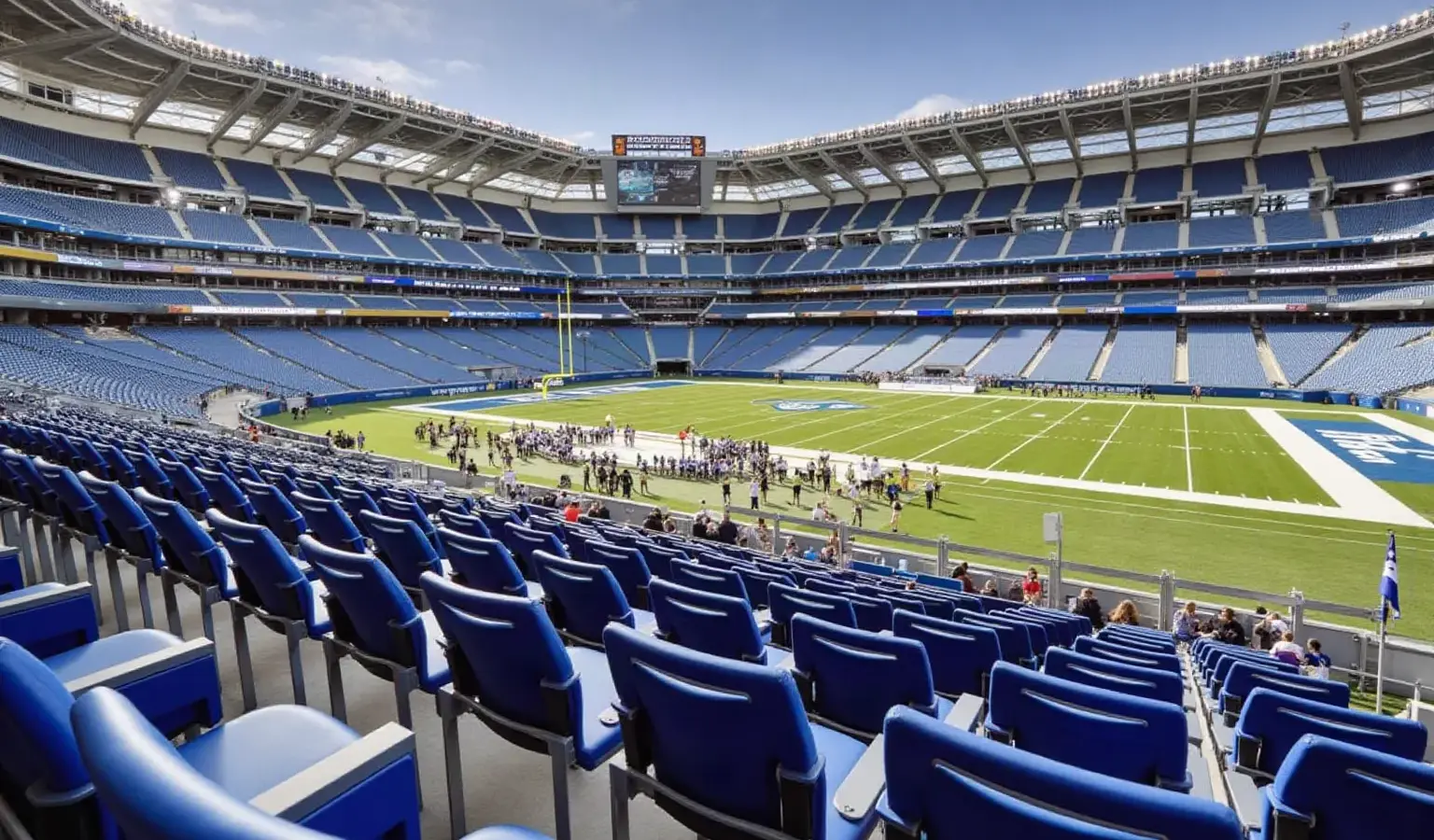
Use a four-layer test before pursuing a suite
Use a four-layer verification brief for an NRG Stadium suite decision. First identify the stable private-suite concept; then separate venue-wide references from details shown only by an event example; finally reserve the exact configuration, inclusions, and terms for the quote tied to your event. Luxury suites are private seating sections that provide the best views of events, but that general description is not a package promise.
Your corporate event is a potential fit for private hospitality when the group needs a shared setting rather than ordinary individual seating, the guest count can be matched to a specific configuration, and the budget can accommodate the complete event package you are prepared to approve. The format may be less suitable when your attendance is uncertain, your guests require a particular accessible configuration that has not been confirmed, or your budget depends on amenities that may be optional or event-specific.
Use this first-pass screen before you request a response:
- Objective: Are you hosting clients, recognizing employees, building a team occasion, or combining several purposes?
- Attendance: How many people are expected, and how many are likely to attend on the event date?
- Experience: Do you need private gathering space, food and beverage service, parking, a particular view, or only premium event access?
- Budget: What total amount can you authorize after tickets, catering, parking, taxes, service charges, deposits, and possible overages are considered?
- Timing: How much lead time is available for the event date and any food or beverage arrangements?
If those answers point toward a private setting, move to configuration and quote verification. If they do not, do not force the outing into a suite simply because the venue offers one.
Layer 1: Define the private-suite format
Layer 1 is the stable concept: an NRG Stadium suite is a private seating section used for viewing an event while an invited group gathers in a shared hospitality setting. Luxury boxes are also described as corporate or executive boxes. This layer explains why the format may suit client entertainment or a team event; it does not establish the room, ticket allotment, access process, or hospitality package for a particular date.
Luxury suites are typically located in the midsection of a stadium grandstand, providing the best views of events. That general description helps you understand the concept, but it does not identify the location, sightline, level, ticket allotment, or restroom arrangement of a particular NRG Stadium suite. Treat the published concept as a starting point and ask for the exact configuration tied to your event.
Your hosting objective should determine how you evaluate the space. A client-entertainment outing may require enough room for conversation before and during the event, while a team event may place more weight on capacity, shared food service, and simple access for a larger group. A suite can also create a more structured setting for introductions, recognition, or informal business conversation, but you should not assume that every configuration offers the same furniture, privacy, catering, or viewing arrangement.
Ask for a written description of the exact package rather than relying on the word “suite.” Your questions should cover the suite level or location, the number and type of included tickets, the view from the interior and any exterior seating, the room’s fixed furniture, private restroom status, parking allocation, catering choices, lounge access, attendant service, and entry instructions. A useful answer connects each inclusion to the event, date, and suite being considered.
Layer 2: Separate venue context from event-specific details
NRG Stadium is listed as the Houston Texans’ stadium, with a suite-availability inquiry link. That identification places your planning question in the Houston, Texas venue context, but it does not establish that a particular game, concert, or other event has an available suite. It also does not make a marketplace inquiry an official venue or team booking.
An NRG Park venue page states that the stadium has four massive concourse levels and 198 suites. Those figures describe the venue as a whole. They do not tell you which configurations are offered for your event, how many guests a specific suite can accommodate, what a package includes, or what price applies.
Use venue-level information for orientation, then separate it from the event-specific questions that decide fit:
- Venue context: The stadium’s overall scale and published hospitality structure help you understand the setting.
- Event context: The event type, date, schedule, ticketing arrangement, and guest-access requirements determine what must be confirmed.
- Suite context: The exact unit, capacity, view, furniture, restroom arrangement, inclusions, and restrictions determine whether the space works for your group.
- Quote context: The applicable price and terms must be tied to the specific event and package rather than inferred from a general page.
This separation prevents a venue description from becoming an inventory promise. It also gives you a clean way to compare the response with your event brief.
Do not treat a listed suite count as current inventory, a venue amenity list as an inclusion list, or an inquiry link as proof that a particular date can be booked. Do not assume that a Houston Texans event and another event at the stadium use identical ticket, catering, access, or cancellation terms. Ask for the terms attached to the exact event you are evaluating.
Build the four-layer verification brief
Turn the four layers into a single verification brief. Put the stable concept and venue references at the top for orientation, place event-specific examples in a separate comparison area, and reserve the final area for requirements the quote must answer. This keeps a Monster Jam form or a venue page from being mistaken for the package attached to your event.
Build the brief as a configuration-and-verification record with these fields:
- Event and date: Name the sport, team, concert, or other event and the date under consideration.
- Configuration: Give the expected headcount and minimum acceptable capacity, then ask the response to identify the applicable suite capacity, level, restroom arrangement, and ticket configuration.
- Guest access: List wheelchair or companion seating needs, routes, restrooms, parking, entry procedures, and other guest-assistance requirements.
- Hospitality package: Identify the importance of viewing arrangements, catering, attendant service, lounge access, private restrooms, and parking, and require each item to be stated for the applicable event.
- Cost and terms: Set the authorized total and ask what it includes, including tickets, parking, food and beverage, taxes, service charges, deposits, overages, and cancellation terms.
- Timing and restrictions: Note approval and decision deadlines, catering timing, decoration or branding questions, outside food and beverage rules, furniture restrictions, payment requirements, and conduct requirements.
Separate requirements into three groups: non-negotiable conditions, preferred features, and items you can remove if the quote does not support them. For example, accessible seating or a maximum authorized spend may be non-negotiable, while a suite attendant or upgraded catering may be preferred. A clear hierarchy lets you judge the response by fit instead of reacting to whichever feature is described most prominently.
Use four status labels when reading the response: venue context, event example, quote-specific, or unanswered. A venue context or event example can shape the questions, but only a quote-specific answer can resolve a requirement for the proposed event. Keep an unanswered requirement visible until it is clarified.
Layer 3: Match the exact guest configuration
Layer 3 tests the configuration against the people you intend to host. Start with the expected headcount, then ask the response to connect that number to the exact room capacity, included ticket count, ticket type, standing-room allocation, level, and restroom arrangement. The physical room limit and the ticket or access limit may not be the same, so record both before judging whether the proposed configuration works.
A February 2025 Monster Jam order form for NRG Park listed 24-person, 22-person, 18-person, 16-person, and 14-person suite options. The same form identified some 18-person and 14-person options as having no restroom in the unit. This is an event-specific example, not current NRG Stadium inventory and not a promise that the same configurations apply to your event.
Use the example to define the questions your quote must answer:
- What is the exact suite capacity for the event and date?
- How many tickets are included, and are all tickets assigned to the suite?
- Are any standing-room-only tickets available, and do they count toward the permitted guest total?
- Does the configuration have a restroom inside the unit, or is another arrangement used?
- Are children, vendors, interpreters, hosts, or other non-guest personnel counted under the same limit?
- Can the suite accommodate your expected attendance without relying on guests to stand or rotate through the space?
Ask for the answer in writing. Do not use the Monster Jam capacities as a substitute for an event-specific response.
Build your attendance plan from the people you expect to host, not from the largest number you see in a general description. List invited guests, internal hosts, event staff, interpreters, and any other people who may require access. Then compare that total with the exact ticket and room limits. If the number is close to the stated limit, ask how late substitutions, additional tickets, or guest changes are handled before you issue invitations.

Layer 3 continued: Verify hospitality inclusions
Parking should be treated as a separate operational requirement. The NRG Park suite page states that exclusive VIP suite parking will be added to the account a week before the event. Ask how many parking passes apply to the proposed package, how guests receive them, whether the passes cover your expected vehicles, and what alternative instructions apply if your group needs additional parking. Do not assume that a parking reference on a venue page settles the allocation for your quote.
Translate each preferred amenity into a confirmation question:
- Catering: Is in-suite catering available for this event, which menus or packages apply, and when must selections be submitted?
- Attendant service: Is an attendant included, optional, or unavailable for the proposed package?
- Lounge access: Is Club Lounge access available for this event, and what access rules apply to your guests?
- Restroom: Is a private restroom inside the exact unit, and what alternative is available if it is not?
- Viewing: What can guests see from the interior, any balcony, and the assigned seating area?
- Parking: How many passes are included, and how will they be delivered or accessed?
- Furniture: Which furnishings are fixed, and can the room support your planned reception or presentation setup?
- Signage: Is an exterior suite sign available, and what content or submission deadline applies?
Your hospitality priorities should follow the purpose of the outing. A client event may place more weight on conversation space, food service, parking, and predictable arrival instructions. A team event may place more weight on capacity, shared viewing, simple catering, and an arrangement that keeps the group together. Mark each feature as required, preferred, or unnecessary so an optional amenity does not obscure a missing requirement.
Layer 4: Test the complete commercial package
Layer 4 is the commercial package. Build the budget from the exact response, separating suite or ticket charges from catering, beverages, parking, taxes, service charges, deposits, handling, staffing, furniture changes, and overages. The purpose is not to estimate a general NRG Stadium suite price; it is to determine whether the proposed event-specific terms fit the amount your organization can authorize.
For one February 2025 Monster Jam event, an NRG Park order form listed standing-room-only tickets of up to four, parking passes with a maximum of six, and an add-on all-inclusive catering package. The form also stated that food and beverage were additional charges. Those terms show why ticket, parking, and catering questions belong in the same budget review, but they do not establish the terms or price for another event.
The NRG Park catering menu states that orders must be prepaid, a valid credit card is required for overages, and menu prices are subject to change. Treat those as questions for the applicable catering arrangement: identify the payment schedule, the person authorized to approve overages, the definition of an overage, the price-change treatment, and the point at which a menu selection becomes binding.
Ask the quote to identify each cost category clearly:
- What amount covers suite access and event tickets?
- Are parking passes included, limited, or priced separately?
- Are food and beverage included, optional, prepaid, or billed after service?
- Which taxes and service charges are included in the stated amount?
- Are deposits required, and when are remaining balances due?
- What charges may arise from extra guests, catering overages, staffing, furniture, or other services?
- What payment method and authorized contact are required?
- What happens if your approved budget changes before the event?
A quote that leaves several of these categories undefined is not yet a complete basis for approval.
Evaluate cost against the event objective, not against a generic idea of luxury. If the purpose is client entertainment, decide what level of hospitality supports the number and type of guests you are inviting. If the purpose is an internal event, decide whether the shared setting and service requirements justify the total spend. Keep that judgment separate from availability: a package can be available and still fail your budget or event brief.
Apply the commitment gate to event terms
Apply the commitment gate only after the four layers are separated. Published catering deadlines and a Monster Jam suite-user form can identify terms to investigate, but they do not replace the rules for your event. Before approval, connect each required date, payment condition, furniture or décor restriction, food and beverage rule, and cancellation term to the applicable event package; if that connection is missing, treat the point as unresolved.
A Monster Jam suite-user form states that suites are leased as-is and that furniture changes require arrangements through NRG Park Staff, with labor charges applying. The same form states that cancellations are non-refundable and that outside food and beverage, helium-filled balloons, and candles are not allowed in the suite or hospitality area. These rules came from one event’s paperwork, so ask for the terms governing your event before you approve décor, catering, furniture, or deposits.
Your operational review should cover:
- Furniture: Identify what is fixed, what may be moved, who must approve a change, and what labor charges could apply.
- Décor and branding: Ask what may be attached, displayed, or brought into the suite, including company signs, gifts, balloons, and promotional materials.
- Food and beverage: Confirm approved vendors, outside-food restrictions, order deadlines, payment, service windows, and handling of leftovers.
- Cancellations: Ask when cancellation becomes non-refundable and whether postponement, event changes, or guest-count changes have separate terms.
- Ordering: Confirm who signs event orders, who may authorize changes, and which deadlines control the package.
- Access: Ask how tickets, parking, suite credentials, guest lists, and staff access are delivered and managed.
- Event conduct: Request the applicable rules for prohibited items, decorations, presentations, noise, and guest behavior.
Do not commit the budget or invite guests until the response answers the operational questions that could change the event plan. A non-refundable cancellation term, a required catering deadline, or an unavailable furniture arrangement can affect whether the outing remains workable. Put those conditions in your internal approval record and assign a person to manage each deadline.

Resolve accessibility and guest-access requirements early
Your accessibility plan should be confirmed at the same time as capacity and hospitality. Houston Texans accessibility information states that wheelchair-accessible and companion seating is provided, with ADA seating areas on the lower, mezzanine, and upper concourses. That venue-level information does not confirm that a particular private suite, route, restroom, or parking arrangement meets your group’s requirements.
The Houston Texans accessibility information directs guests to contact the Ticket Office in advance at 832.667.2153 for information and availability; it also states that seat relocations may be available on gameday. Treat advance coordination as part of your planning process, especially when a guest needs wheelchair seating, companion seating, a particular route, or assistance at entry. Do not wait until invitations are finalized to identify the requirement.
Put these questions in the event brief:
- Does the exact suite or seating arrangement provide the required wheelchair and companion positions?
- What route connects the entry, suite, seating area, restroom, lounge, and parking location?
- Is the suite restroom accessible, and if not, what restroom route should guests use?
- How are accessible parking, drop-off, elevators, and credentialed entry handled?
- Can the event accommodate mobility devices, service animals, interpreters, or other guest needs?
- Who should your event contact call before the event and on event day if assistance is required?
Proceed only after the response addresses the needs that are essential for your guests.
Request a complete, non-binding private-suite quote
Your quote request is ready when it identifies the venue, event, date, expected party size, hosting objective, budget boundary, preferred hospitality features, accessibility requirements, and the questions that could change your decision. Include your minimum acceptable capacity, required inclusions, catering preferences, parking needs, timing constraints, and any cancellation or payment condition that needs a clear answer.
Ask for a response tied to the specific event and date. The response should identify the proposed configuration, ticket and guest limits, viewing arrangement, parking, catering, lounge or attendant service, restroom status, access instructions, total cost categories, payment schedule, deadlines, restrictions, and cancellation terms. Compare that response with your brief line by line rather than approving the package from a general description.
A submitted private-suite inquiry is a request for an event-specific response, not a confirmed booking, inventory promise, or firm price. Keep your event date flexible until the applicable configuration, cost, availability, and terms have been addressed. A qualified professional should determine individual suitability for any specific guest-access or accessibility need.
What should you confirm before requesting an NRG Stadium suite quote?
How much does an NRG Stadium suite cost?
No general price can be treated as current for every event. The total depends on the specific event, date, suite configuration, guest count, tickets, catering, parking, taxes, service charges, deposits, and possible overages. Request an event-specific quote that separates these cost categories; an inquiry is not a firm price or confirmed booking.
What should you confirm about the suite before approving a corporate event?
Confirm the exact capacity, included tickets, sightlines, restroom arrangement, parking allocation, catering and beverage options, lounge or attendant service, accessibility, entry process, payment schedule, deadlines, restrictions, and cancellation terms. Published venue descriptions and examples can guide questions, but they should not be treated as inclusions for your event.
Do suite capacities and amenities change by event?
Yes. Capacity, ticket allotment, restroom access, parking, catering, lounge access, furniture, and operating rules may differ by suite and event. Even published examples from NRG Park do not establish current inventory or terms for another game, concert, or event, so obtain written confirmation for the exact date and configuration.
Is private hospitality a good fit for a corporate outing?
It may fit when the group needs a shared setting, the expected attendance matches a confirmed configuration, and the complete cost supports the event objective. Assess it against your purpose, guest experience, budget, timing, accessibility needs, and hospitality priorities rather than assuming premium seating is automatically worthwhile. If a required condition remains unconfirmed, postpone the decision until the event-specific response addresses it.
Hosting a group?
Tell us the date and the headcount
We get back to you within one business day with what is available and what each suite costs.
Request a quote